Sense
Bedside optical capture
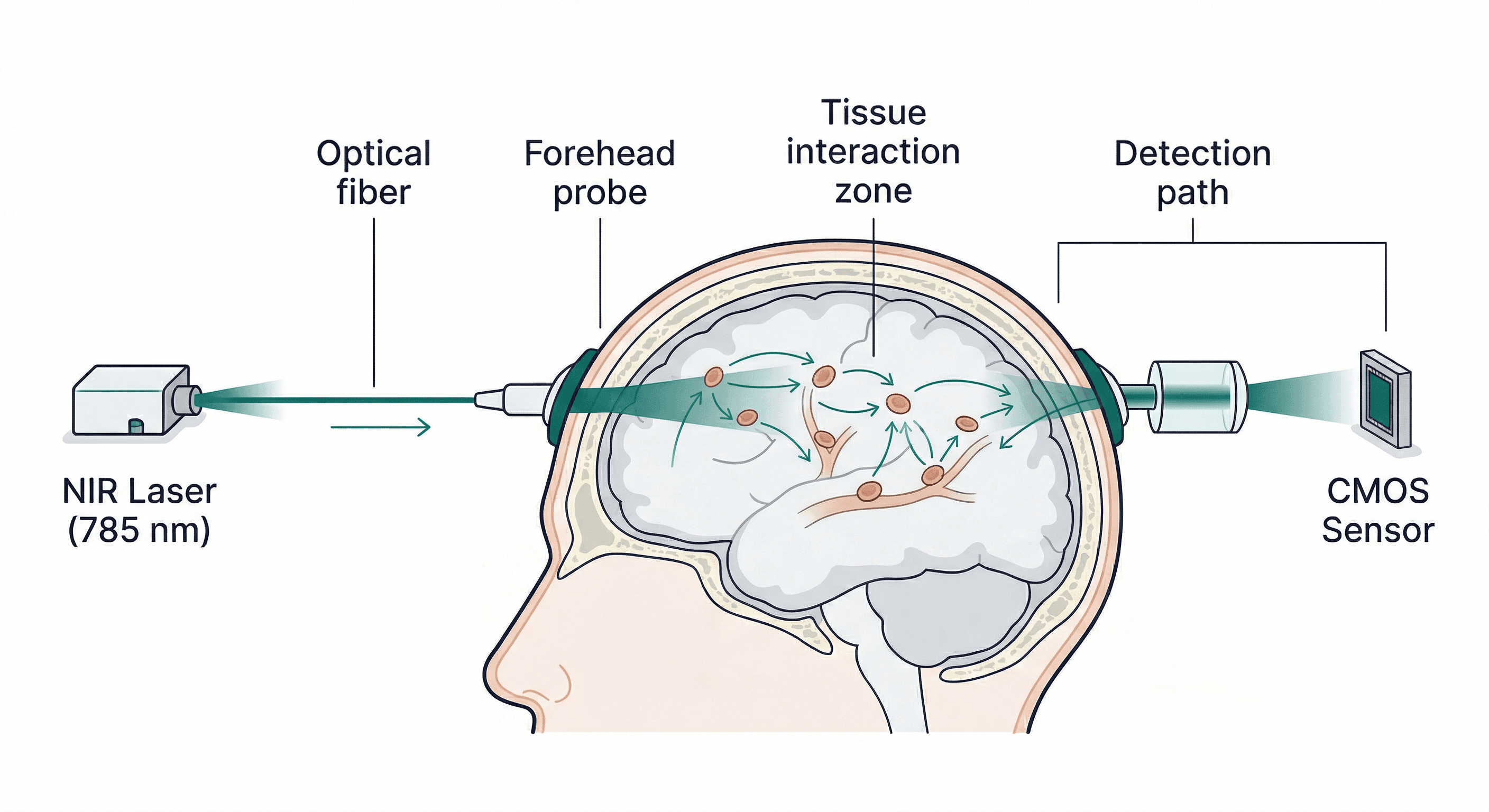
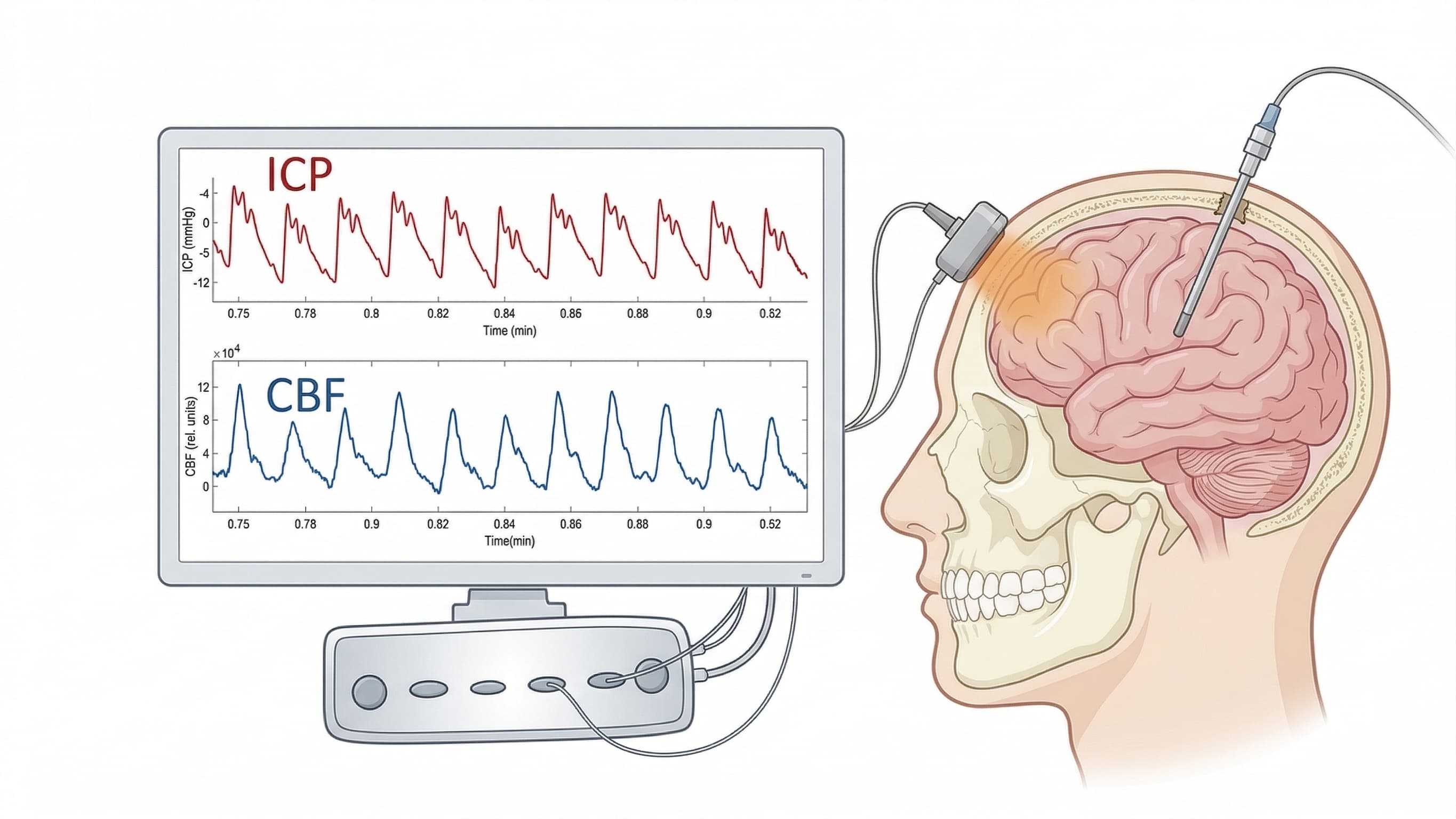
NIR light and a forehead probe acquire blood-flow signal
Presented By
ML/AI Engineer and Research Scientist
Working at the intersection of AI, optical sensing, and translational health technology
SafeICP
Non-invasive intracranial pressure estimation through optical sensing and machine learning.
Why ICP Matters
Intracranial pressure is a critical brain-health signal, but the gold standard still relies on invasive monitoring through a surgically placed sensor.
Measurement requires drilling into the skull.
Every inserted sensor carries bleeding and contamination risk.
Procedural risk decides who gets monitored and for how long.
Vulnerable patients and lower-acuity settings lose continuous insight.
Clinical Contrast
Gold Standard
Direct ICP sensing is clinically trusted, but surgical access makes the workflow resource-heavy, infection-prone, and unsuitable for continuous or broad monitoring.
SafeICP Direction
SafeICP reframes the measurement problem: keep the signal outside the skull, at the bedside, and recover ICP-relevant information through optical sensing plus machine learning.
What SafeICP Is
SafeICP combines bedside optical sensing, signal interpretation, and machine learning-based ICP estimation into one non-invasive monitoring approach.

Sense
NIR light and a forehead probe acquire blood-flow signal
Read
Speckle dynamics reveal cerebral hemodynamic behavior
Infer
ML maps temporal patterns to pressure estimates
Hardware Translation
Legacy platform
Large footprint, exposed instrumentation, and cable-heavy integration make the setup scientifically capable but operationally hard to translate.
SafeICP direction
Smaller, more integrated hardware moves the same sensing ambition toward a form factor that feels more credible for bedside and longitudinal use.

Device Logic
SafeICP uses safe near-infrared illumination and a forehead probe to read out blood-flow-related behavior without placing the sensing hardware inside the skull.
Placement
The optical interface sits outside the head, at the bedside.
Illumination
Light travels through tissue and interacts with moving blood cells.
Readout
Fluctuation patterns become a non-invasive signal linked to cerebral blood flow.
From Optical Signal To ICP
SafeICP measures optical dynamics tied to blood flow, not ICP itself. To produce a pressure estimate, the system needs a learned time-series translation from signal behavior to pressure behavior.
Measured

Flow-related fluctuations, speckle behavior, and temporal signal structure.
Predicted

Clinically meaningful pressure output aligned to paired invasive reference data.
Dataset
The learning problem is only credible because the optical recordings are paired with invasive ICP measurements. The dataset is centered on iNPH and expanded with Katzman infusion data to expose the models to broader pressure variation.
iNPH cohort
Idiopathic normal pressure hydrocephalus — a condition where cerebrospinal fluid accumulates in the brain, causing gait, cognitive, and urinary symptoms.
Katzman cohort
Katzman infusion tests with controlled CSF pressure elevation, expanding the ICP range beyond baseline hydrocephalus levels.
What each training sample needs
Data Preparation
Subjects are first split at the patient level using K-means stratification on BFI and ICP statistics, then each training subject is internally split into 5 folds for cross-validation. Both hemispheres from the same patient always stay in the same set.
Subject-Level Split
3 clusters are formed from per-subject statistics (mean, std, median, Q1, Q3, IQR of BFI and ICP). Subjects are then allocated 80/20 to train+val and test, preserving cohort distribution.
Within-Subject Split
Each measurement in the train+val set is independently split into 5 folds with 80% training and 20% validation per fold. This produces 5 separate train/val assignments per recording.
Windowing
Cross-Validation
For each of the 5 folds, a different 20% of the recording is held out for validation. The animation below cycles through all folds for Subject 17.
Model Benchmark
We evaluate models spanning four architectural families: RNN hybrids, convolutional networks, transformers, and kernel-based methods. All are implemented via the TSAI library and trained with identical hyperparameters for a fair comparison.
Training configuration
Parameters = total learnable weights (thousands). MACs = multiply-accumulate operations per forward pass (millions).
Qualitative Evidence
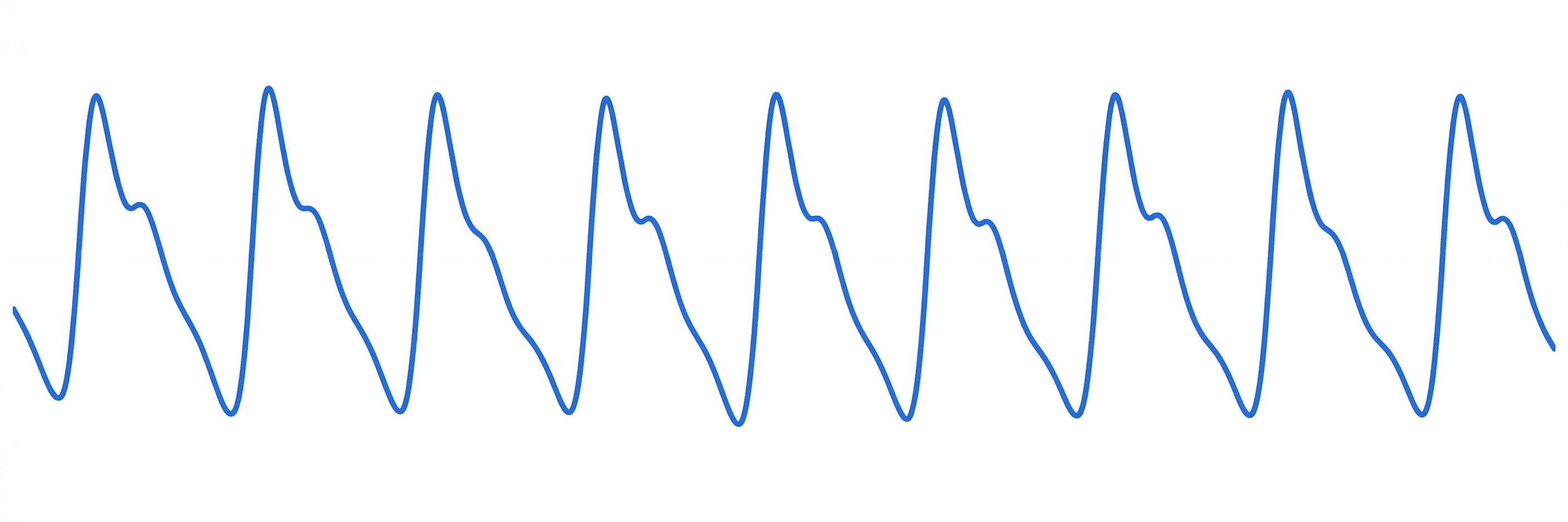
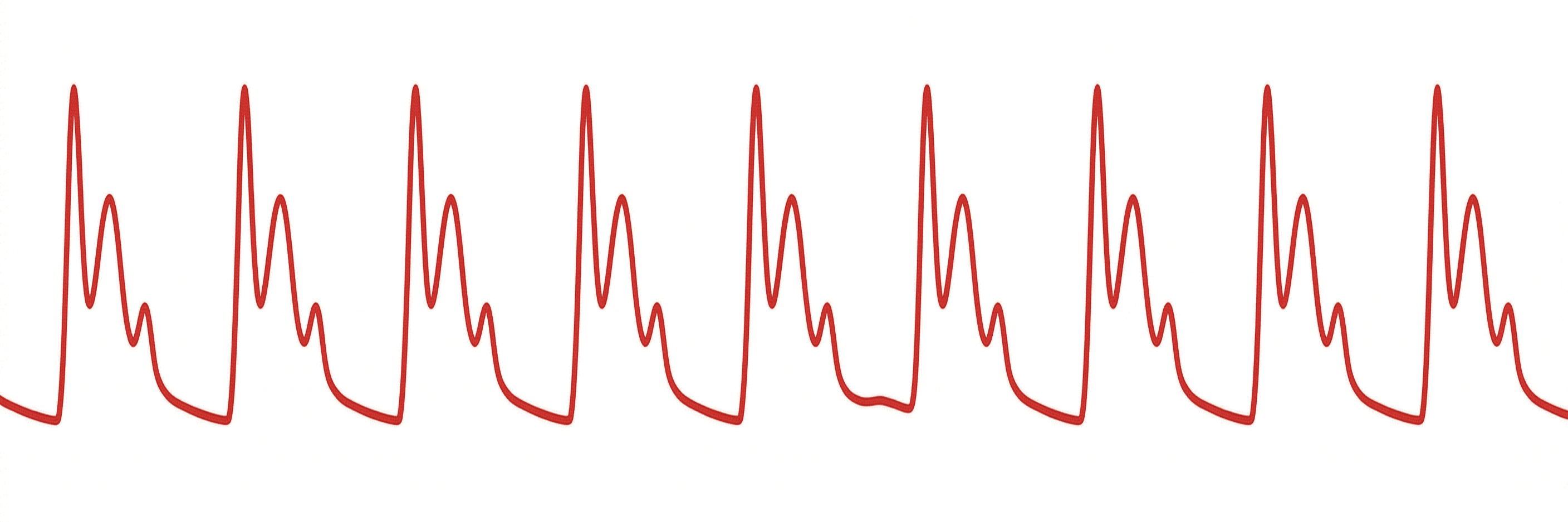
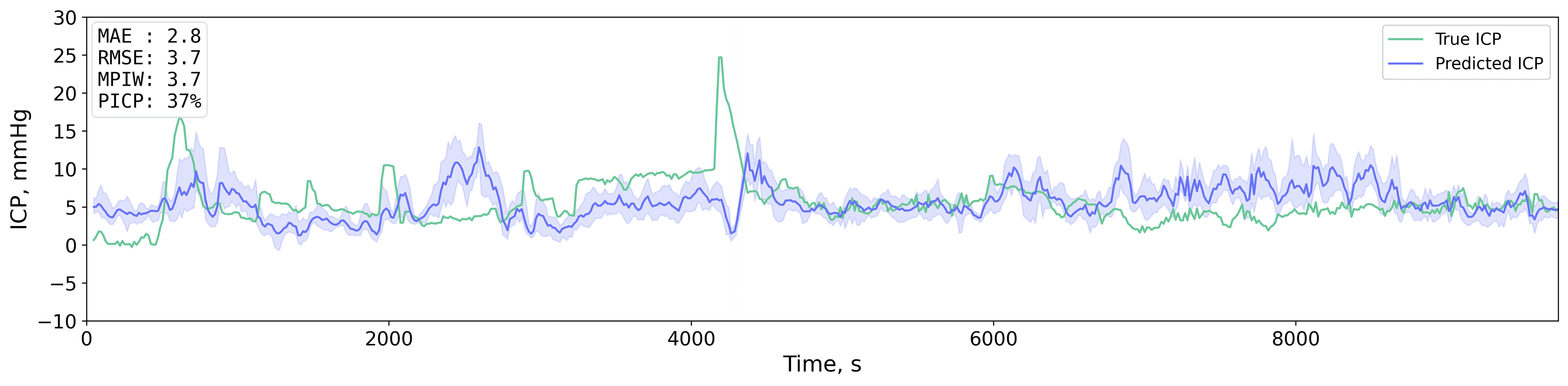
A representative InceptionTime example shows that the model follows the overall temporal behavior of invasive ICP well enough to make the learned relationship visually credible.

Quantitative Evidence
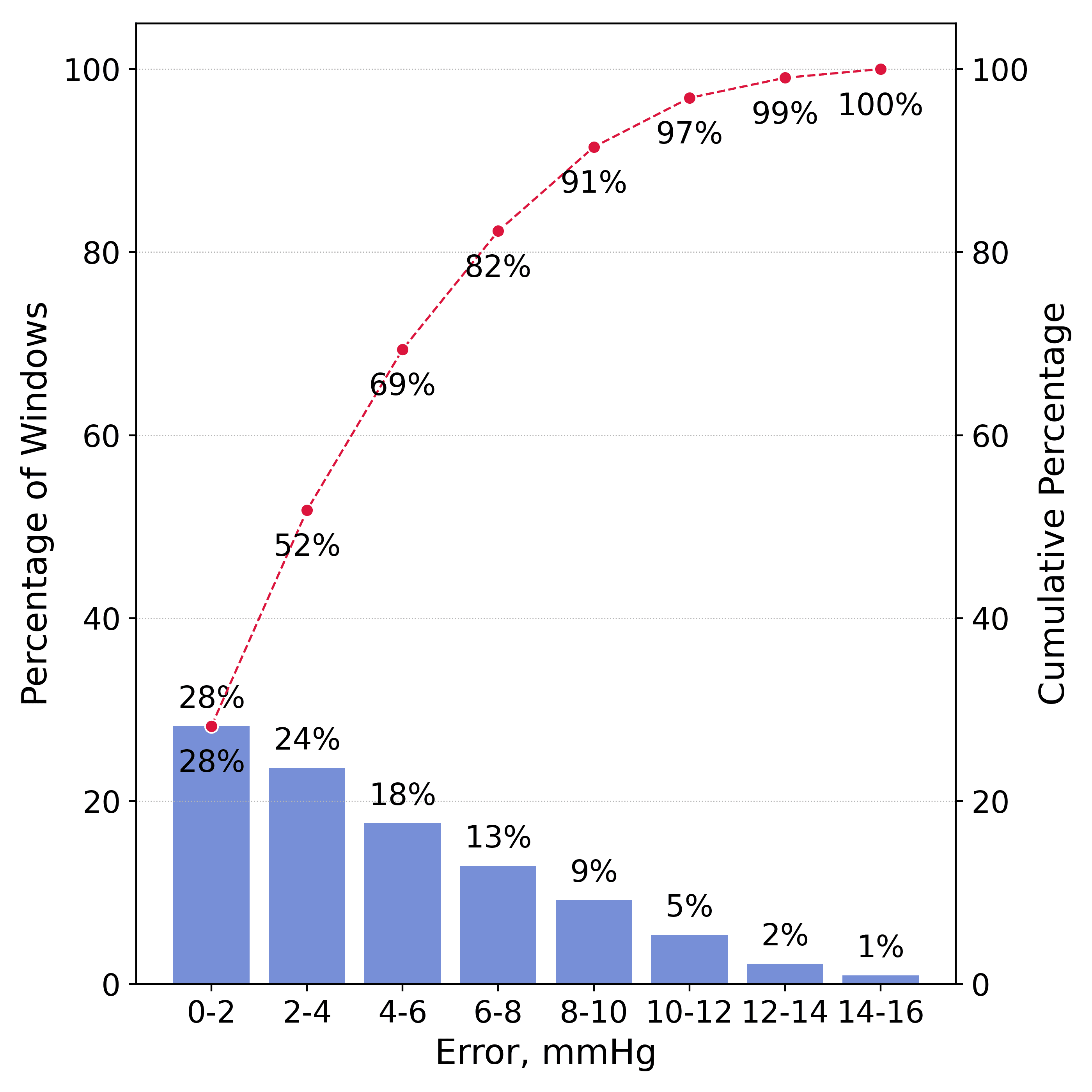
SafeICP reaches competitive MAE, but its uncertainty remains under-calibrated.
Best overall MAE
mWDN on the right hemisphere
Low-error zone
Predictions within 0–4 mmHg
PICP coverage
Too low for trustworthy confidence
6.0
5.4
Competitive6.3
5.3
Strongest overall7.1
5.6
Useful baseline
Read of the chart
Interpretation
The method is credible, but the hardest clinical regime is still unresolved.
Balanced read
Strong proof of principle, not yet a finished clinical monitor.
Demonstrated
Competitive ICP estimation around 5-6 mmHg MAE.
Tracks temporal ICP behavior, not just static levels.
Still Limited
Too few high-ICP cases for robust edge-case behavior.
Uncertainty remains under-calibrated and too optimistic.
Why It Matters
Makes non-invasive ICP monitoring technically credible.
Creates a stronger base for broader clinical validation.
Impact And Next Steps
The foundation is in place; the next gains come from data, calibration, and translation.
Already established
Paired optical and invasive datasets
Working bedside-oriented prototypes
Active hospital and clinical partners
Next-step roadmap
01
Expand high-ICP and multi-hospital cohorts.
02
Improve uncertainty and elevated-range reliability.
03
Improve use-case fit and anatomical correction logic.
04
Prepare for trials, validation, and bedside adoption.
Conclusion
SafeICP already produces error levels that are close enough to clinical benchmarks to focus the next phase on generalization, cohort breadth, and stability on unseen data.
Where the work shifts now
The sensing stack is credible. The remaining gap is reducing the validation-to-test spread and proving robustness across broader patient conditions.
Reference standard

Observed performance
Interpretation
The result is strongest on validation and still competitive on test, which makes the next milestone less about inventing a new approach and more about tightening generalization.

The Consortium
Each partner covers a part of the pipeline the others cannot.
Already operational
The collaboration is already operating across data, devices, and bedside validation.

Photonics & Device
SCOS hardware and optical sensing

Machine Learning
Time-series models and uncertainty analysis

Clinical Translation
Recruitment, validation, and bedside workflow

Industrial Validation
Safety engineering and product validation
The Team
Researchers, clinicians, and engineers from four institutions, each contributing to the domain
Institute of Photonic Sciences

Turgut
Durduran
Principal Investigator

Mirko
Fornasier
Doctoral Researcher

Carolina
Vega
Doctoral Researcher

Monica
Torrecilla
Doctoral Researcher
Pompeu Fabra University

Viacheslav
Danilov
Research Scientist

Gemma
Piella
Professor

Anton
Makoveev
Research Scientist
Vall d'Hebron Hospital
Maria
Poca
Head of Neurosurgery

Juan
Sahuquillo
Neurosurgeon

Murad
Al-Nusaif
Doctoral Researcher
ProCareLight

Youcef
Lebour
Research Engineer
SafeICP
Not reliably. A direct ICP sensor must communicate with the intracranial CSF/brain compartment, so non-invasive signals can only estimate or trend ICP.
The device captures optical dynamics tied to cerebral blood flow, then learns a mapping from synchronized optical windows to invasive ICP references.
mWDN is the strongest overall in the reported results, reaching 5.3 mmHg MAE on the right hemisphere and the highest concentration of low-error predictions.
The models are trained and evaluated against invasive ICP, not a proxy label, and they reach competitive error in the 5-6 mmHg range while tracking temporal ICP behavior.
The hardest problem is elevated ICP and trustworthy uncertainty. Coverage stays well below the nominal target, so confidence estimates are still too optimistic.
Because this is a time-series translation problem. InceptionTime, mWDN, and TCN test different temporal biases and reveal which one fits the paired signal-to-ICP mapping best.
Get in touch